
- Home
- SUNGLASSES
-
Categories
Men Women Kids Unisex Polarized Round Square Cat Eye Oval Ski & Snowboard Chains & CordsNew & Offers
New Collection 2026 New Men New Women Sunglasses Offers Sale -30% Sale -40% Sale -50%Top Brands
Rayban Oakley Persol Carrera Polaroid Arnette Gucci Prada Miu Miu Tom Ford Saint Laurent Celine Versace Dolce & Gabbana Dita Bottega Veneta All sunglasses brands →All Brands A–Z
American Optical Armani Exchange Arnette Balenciaga Bliss Bottega Veneta Brixton Burberry Calvin Klein Calvin Klein Jeans Carolina Herrera Carrera Carrera Ducati Celine Coach David Beckham Diesel Dita Dolce Gabbana Dolce Gabbana Kids Dsquared2 Emporio Armani Emporio Armani Kids Etro Ferrari Scuderia Gucci Guess Havaianas Hugo Hugo Boss Isabel Marant Italia Independent Jimmy Choo Lacoste Levis Longchamp Marc Jacobs Maui Jim Max And Co Max Mara Michael Kors Missoni Miu Miu Moncler Mont Blanc Moschino Moschino Love Nike Oakley Oakley Junior Oakley Youth Off White Oneill Palm Angels Persol Polaroid Polaroid Kids Polaroid Sport Polo Ralph Lauren Prada Prada Linea Rossa Prive Revaux Ralph By Ralph Lauren Ralph Lauren Rayban Rayban Junior Saint Laurent Silhouette Spongebob Superdry Swarovski Timberland Tom Ford Tommy Hilfiger Tory Burch Valentino Versace Versace Kids Victoria Beckham Vogue Vogue Junior Vuarnet Vuarnet Kids Web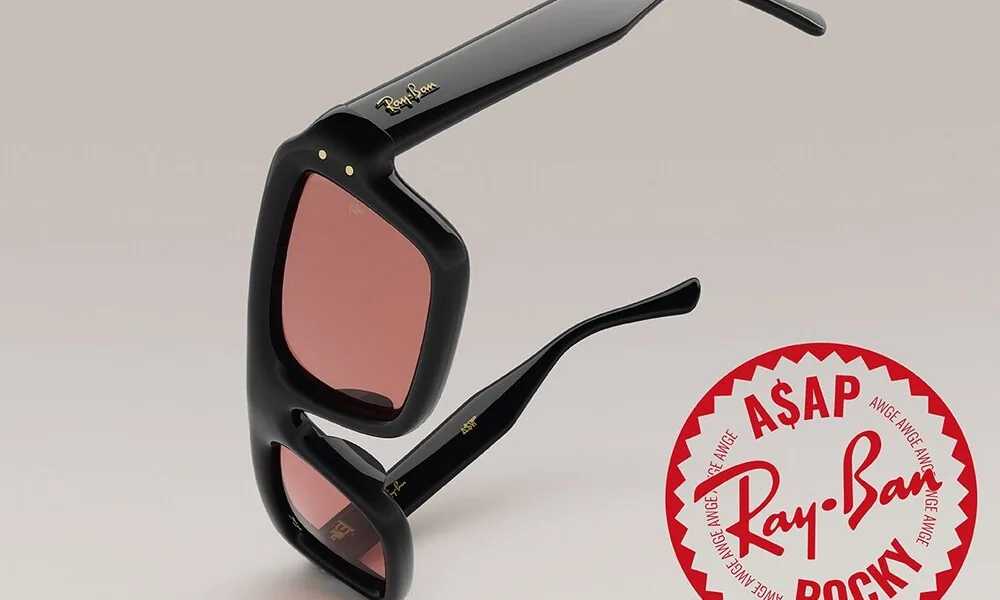 New Collection 2026Discover the new designs →
-
- EYEWEAR
-
Categories
Men Women Kids Unisex With Sun Clip-On Reading Frames Ready Readers Chains & Cords FREE Lenses with every frameNew & Offers
New Collection 2026 New Men New Women New Kids Eyewear Offers Sale -30% Sale -40% Sale -50%Top Brands
Rayban Oakley Gucci Prada Tom Ford Michael Kors Burberry Calvin Klein Swarovski Tommy Hilfiger Marc Jacobs Moschino Love Emporio Armani Polo Ralph Lauren All eyewear brands →All Brands A–Z
7th Street Armani Exchange Arnette Barbie Bliss Brixton Burberry Calvin Klein Calvin Klein Jeans Carolina Herrera Carrera Centrostyle Chiara Ferragni Clic Coach David Beckham Diesel Dolce Gabbana Dsquared2 Emporio Armani Emporio Armani Kids Etro Ferrari Scuderia Genesis Giorgio Armani Gucci Guess Hugo Hugo Boss Isabel Marant Jimmy Choo Kaos Levis Lindberg Luxottica M Missoni Marc Jacobs Max Max Mara Mcm Michael Kors Missoni Miu Miu Moncler Moschino Love Nanovista Nike Nooz Oakley Oakley Youth Off White Palm Angels Persol Polaroid Polaroid Kids Polaroid Sport Polo Ralph Lauren Prada Prada Linea Rossa Prive Revaux Ralph By Ralph Lauren Rayban Rayban Junior Rayban Youth Saint Laurent Sferoflex Silhouette Smartvision Stepper Swarovski Tom Ford Tommy Hilfiger Tory Burch Valerio Versace Versace Kids Victoria Beckham Vogue Vogue YouthYour Vision
Myopia Astigmatism Presbyopia Hyperopia Does your child need glasses? Cheap glasses: why not New Eyewear CollectionFrame + prescription lenses →
-
- Lenses
-
Prescription lenses
FREE lenses with every frame Lens prices & options Lens types & features Thin lenses (high index) HD free-form lenses Photochromic (Transitions) Blue-light filter (screens) Computer glasses Blue-blocker lenses Tokai Lutina (HEV/UV)Progressive
Progressive glasses 1+1 GIFT HOYA progressive New HOYA LifeStyle 4 Shamir progressive Tokai progressive The best progressive glasses How much do progressives cost Frames for progressive lensesSpecial uses
Childhood myopia control Night driving Prescription glasses for sport Kids' shatterproof glassesUseful guides
How much do eyeglasses cost Myopia glasses guide Reading glasses: ready-made or Rx? How often to change glasses Choosing a frame Frame for your face shape Frame materials guide Cleaning your glasses All lens guides → Browse eyeglass frames → FREE Prescription LensesWith every frame purchase, with your prescription →
-
- CONTACT LENSES
-
Contact lens types
Daily Two-week Monthly Yearly ColouredAstigmatic (toric)
Astigmatic daily Astigmatic two-week Astigmatic monthly Astigmatic yearlyMultifocal
Multifocal daily Multifocal monthly Multifocal astigmaticBrands
Acuvue (Johnson & Johnson) Alcon (Air Optix, Dailies) CooperVision (Biofinity) Bausch & Lomb Soflex Solotica Desio ColourVue Aqualens All contact lens brands →Solutions & care
Contact lens solutionsPopular
Coloured contact lenses Daily contact lenses Monthly contact lenses Astigmatic monthly Solutions & careGuides
What is astigmatism Eye allergies & itchy eyes Computer eye strain Eye health guides →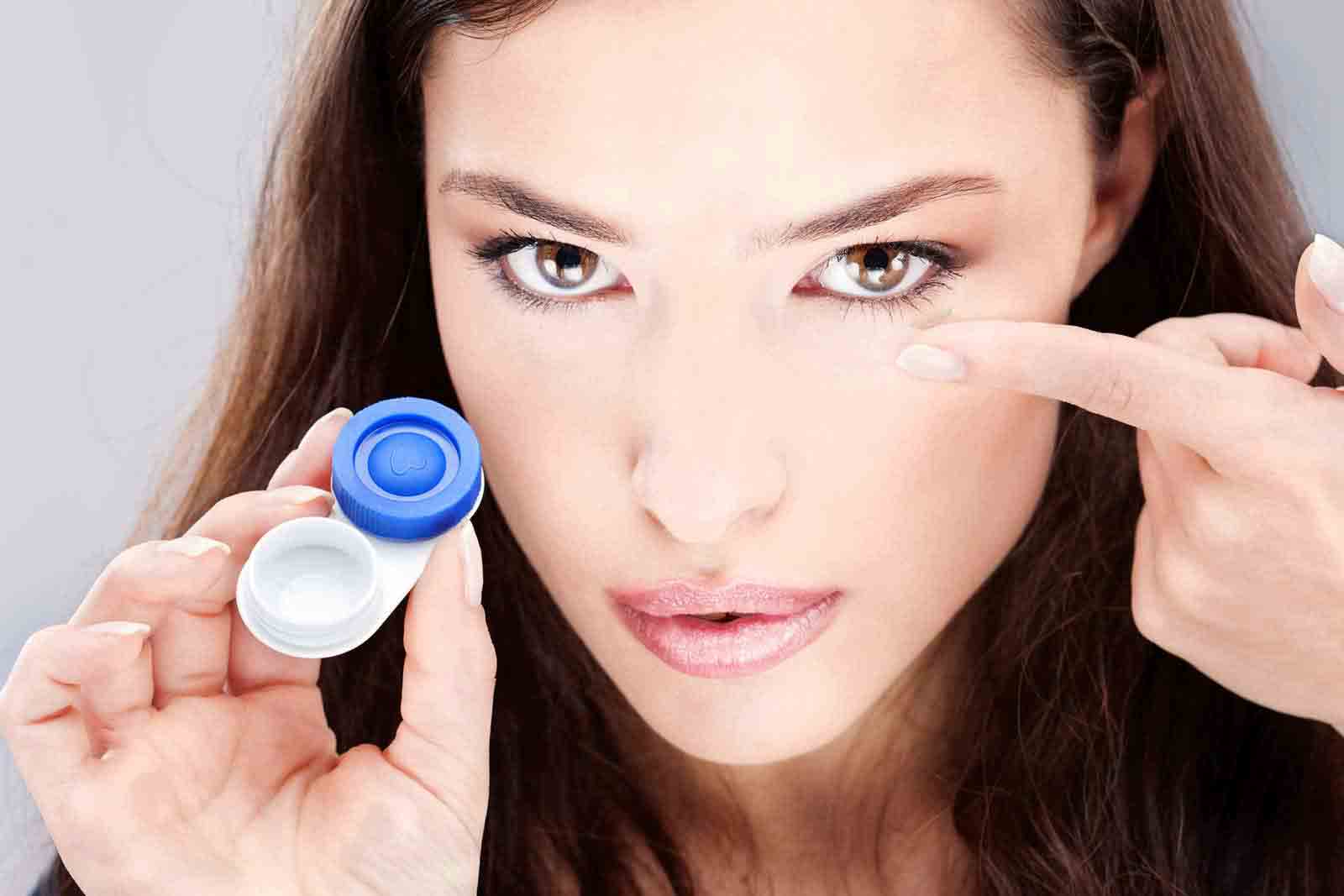 Contact LensesAcuvue, Alcon, CooperVision, Bausch & Lomb →
-
- Info
-
About us
Company profile Where we are · map How to reach us Opening hours Contact us Guides & articlesSocial
Instagram Facebook YouTube X / TwitterOrders & service
Shipping Exchanges & returns Payment methods Bank accounts Transaction security Size guide FAQ Terms of use Privacy policyMy account
Sign in My account My orders Wishlist My addresses My details Forgot password CheckoutDon't miss
Offers New collection 2026 Opticians since 1978Our store: where we are & hours →
-
- Topics
-
Topic categories
Sunglasses Eyeglass Frames Eyeglass Lenses Eye Problems All topics →Social
Instagram Facebook YouTubePopular guides
How much do progressive glasses cost Eyeglass lens types & prices Best glasses for night driving What is astigmatism How to clean your glasses Sunglasses trends 2026 Sunglasses & face shape Genuine Ray-Ban: 7 sure signs Glasses size guide Magnetic clip-on glassesNew articles
 Celine Sunglasses 2026: the Triomphe, Iconic Models & How to Choose
 Tom Ford Sunglasses 2026: the T, Iconic Models (Snowdon, Anoushka) & How to Choose
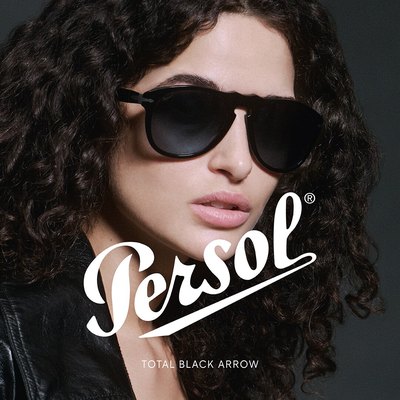 Persol Sunglasses 2026: 649, 714 Steve McQueen, Meflecto & How to Choose
 Miu Miu Sunglasses & Glasses 2026: Collections, Iconic Models & How to Choose
 Rimless Glasses Guide: Pros, Cons, Prices & the Best Models 2026
 Gradient Sunglasses: What They Are, When They Work Best & The Top Models 2026
All new articles →
Gradient Sunglasses: What They Are, When They Work Best & The Top Models 2026
All new articles →
 Sunglasses guidesFace shape, polarized, sizes, trends →
-
- EN
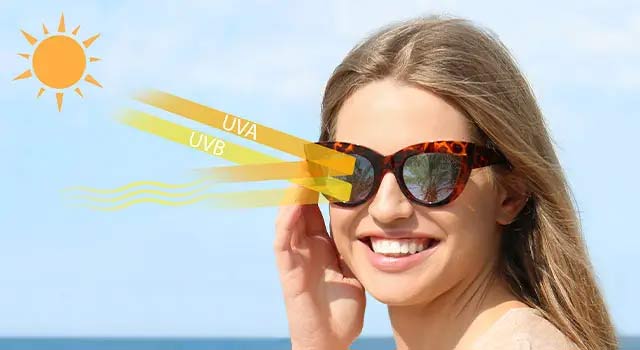 The UV400 marking means the lens blocks ultraviolet radiation up to 400nm, offering protection from both UVA and UVB.
, how it differs from polarized lenses and what to check so you avoid uncertified glasses.)